 xunaawen@outlook.com
  WhatsApp:+86 13698446041
 Custom Certificates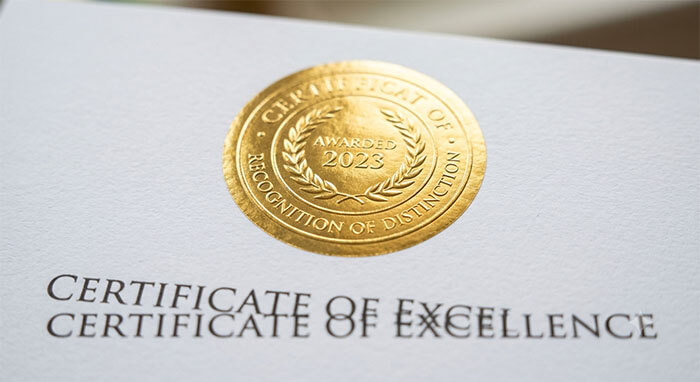
If you are looking for a document replica online—whether it is an anniversary keepsake, a prop for a film set, or a replacement copy to protect an original document—you have likely noticed a massive gap in pricing. Some websites offer custom documents for the price of a fast-food meal, while professional services charge a premium.
Why is there such a massive difference? The truth is, anyone with a $50 home inkjet printer and a pack of basic glossy paper can claim to make a “replica.” However, true document reproduction is an art form. When a replica looks cheap, it ruins the illusion, fails to honor the milestone, and looks unprofessional on display.
To protect your investment, here are the 3 critical quality details you must watch out for when evaluating replica reviews and choosing a provider.
1. The Paper Texture and Weight (The “Feel” Test)
The most immediate giveaway of a low-quality print is the paper itself. Cheap services almost exclusively use standard standard office paper or generic glossy photo paper. These materials are thin, bleed ink easily, and lack the historical or professional weight required for authentic documentation.
A high-quality replica relies on specialized paper selection:
-
The Weight: Premium certificates and vintage documents are crafted on heavy-weight paper stocks, typically ranging from 60lb to 110lb index cardstock.
-
The Texture: True replicas utilize specific fibers. For historical or artistic documents, authentic parchment paper or textured 100% cotton rag paper is required to give that distinctive, premium tactile feedback the moment you touch it.
2. Ink Reflection and Printing Technology
Look closely at a cheap print under a desk lamp, and you will notice a major flaw: the ink looks flat, or worse, it creates an unnatural, highly reflective plastic sheen across the page. This happens when low-end inkjet printers flood standard paper with cheap liquid dye.
Professional document reproduction utilizes advanced printing technology, such as commercial-grade laser vector printing and pigment-based solid ink systems.
-
The Result: The text is razor-sharp under a magnifying glass, without the “fuzziness” or bleeding seen on budget prints.
-
Durability: Professional inks bond deeply with the paper fibers, ensuring the text resists fading over time when exposed to sunlight in a display frame.
3. Tactile Finishes: Embossed Seals vs. Flat Graphics
This is the ultimate test of craftsmanship. Many budget websites will trick buyers by printing a 2D graphic of a gold seal directly onto the paper. From a distance, it might look okay, but up close, it looks completely flat, lifeless, and amateurish.
Genuine quality requires physical manipulation of the paper:
-
Mechanical Embossing: A premium service uses a heavy-duty physical press to create a 3D, raised embossed seal. You can feel the distinct, sharp textures on both the front and back of the paper.
-
Metallic Foil Hot-Stamping: Instead of yellow ink, authentic seals use actual metallic foil sheets pressed into the paper structure with heat, capturing and reflecting light brilliantly at every angle.
Why Cutting Corners Costs More in the Long Run
When it comes to custom replicas, you get what you pay for. A cheap document often arrives bent, smudged, or looking entirely different from the online preview, forcing you to buy a replacement anyway.
Investing in professional craftsmanship ensures that your prop holds up perfectly under close-up camera lenses, and your cherished keepsakes remain pristine on your office shelf for decades to come.
Before you add a custom item to your cart, check the provider’s manufacturing standards. At DocuReplicas, we don’t do shortcuts—we treat every piece of paper like a masterpiece.
👉 Experience Premium Craftsmanship. Explore DocuReplicas Options Today!
🔗 How to Link This Post (Internal Linking Setup):
-
Inbound Link: Open your Day 1: Post 2 (Order Process) blog post. Go to Step 4 (Master Craftsmanship & Printing) and hyperlink the words “gold foils, seals, and textures” to this new article.
-
Outbound Link: Inside this article, where it talks about “fading over time when exposed to sunlight,” you can link the word “fading” to a Wikipedia page or archival resource about Lightfastness or Archival Science to boost your technical SEO authority.
-